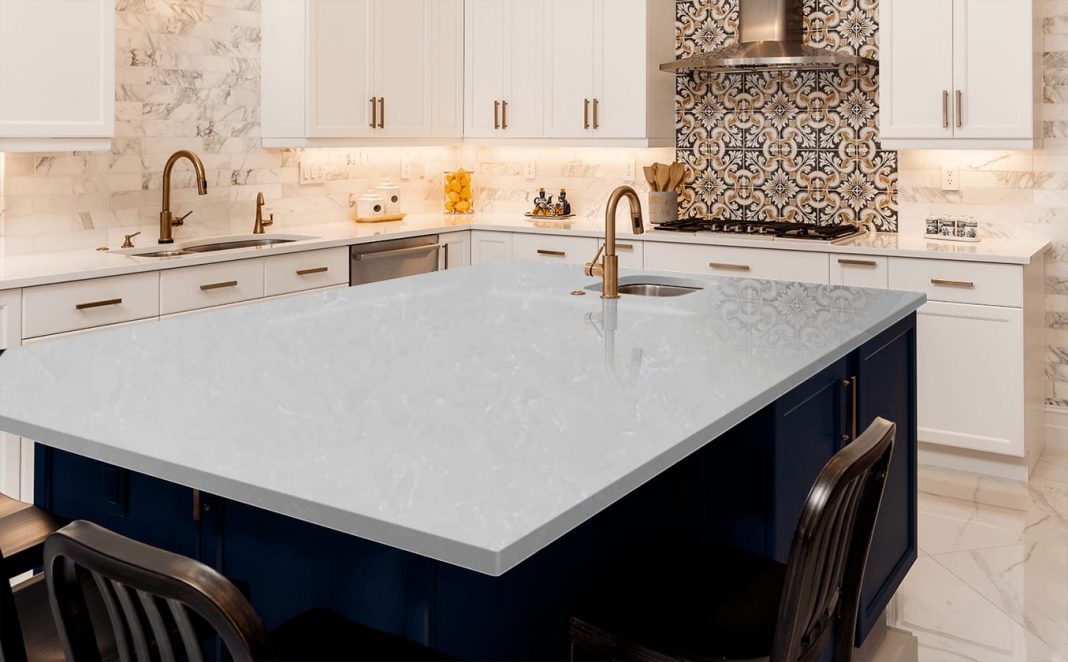
The demand for an engineered quartz slab distributor has grown rapidly as architects, fabricators, and developers seek durable, low-maintenance, and design-forward surfaces for modern construction. This type of distributor plays a critical role in connecting manufacturers with fabricators and end users, ensuring consistent quality, reliable availability, and design variety across residential and commercial projects.
One of the leading contributors in this space is Hyundai L&C, a global materials company recognized for its innovation in engineered stone surfaces. With its U.S. operations through Hyundai L&C USA, the company supports the increasing demand for high-performance quartz slabs used in kitchens, bathrooms, commercial interiors, and large-scale architectural applications.
In this guide, we explore how engineered quartz slab distribution works, why it matters, and what separates high-quality distributors from the rest of the market.
The Role of an Engineered Quartz Slab Distributor in Modern Construction
An engineered quartz slab distributor serves as the bridge between quartz manufacturers and the professionals who design and install surfaces. Unlike traditional stone supply chains, engineered quartz requires strict quality control, precise logistics, and consistent product availability.
Distributors are responsible for:
- Maintaining large inventories of quartz slabs
- Ensuring color and pattern consistency across batches
- Coordinating logistics between global manufacturers and local fabricators
- Supporting architects and designers with product selection
- Providing technical documentation and product certifications
Without a reliable distributor, project timelines can be delayed, and material inconsistencies can lead to costly rework.
Why Engineered Quartz Has Become a Preferred Material
The rise of engineered quartz is not accidental. Its popularity is driven by a combination of performance, aesthetics, and long-term value.
Key Advantages of Engineered Quartz Slabs
- Non-porous surface: Resistant to stains, moisture, and bacteria
- Low maintenance: No sealing required compared to natural stone
- Design consistency: Predictable patterns and colors across slabs
- Durability: Resistant to scratches and daily wear
- Wide aesthetic range: Mimics marble, granite, and contemporary textures
These characteristics make quartz ideal for both residential countertops and high-traffic commercial environments.
An experienced engineered quartz slab distributor ensures these benefits are delivered consistently by sourcing, storing, and supplying slabs under controlled conditions.
How Engineered Quartz Slab Distribution Works
Understanding the distribution process helps clarify why certain distributors stand out in the industry.
1. Manufacturing and Slab Production
Quartz slabs are produced by combining natural quartz crystals with resins and pigments. This engineered process creates uniform slabs with controlled aesthetics.
2. Quality Inspection
Before distribution, slabs undergo rigorous inspection for:
- Color accuracy
- Surface integrity
- Structural consistency
- Thickness calibration
3. Warehousing and Inventory Management
Distributors store slabs in specialized facilities to prevent damage and ensure easy access for fabricators.
4. Logistics and Delivery
Efficient transportation is crucial. Slabs are heavy and require careful handling to prevent breakage during transit.
5. Support for Fabricators and Designers
A strong distributor provides guidance on:
- Installation best practices
- Material selection for specific environments
- Technical specifications for project planning
Companies like Hyundai L&C strengthen this process through structured distribution networks and reliable product availability.
What Makes a Reliable Engineered Quartz Slab Distributor
Not all distributors operate at the same level. In a competitive construction materials market, reliability is defined by several key factors.
1. Product Consistency
Consistency is critical in large projects where multiple slabs must match seamlessly. A dependable distributor ensures uniformity across shipments.
2. Supply Chain Stability
Delays in material delivery can impact entire construction timelines. Strong logistics systems reduce risk and ensure on-time availability.
3. Technical Expertise
Top distributors understand both the material and its applications. This includes knowledge of fabrication processes, installation requirements, and maintenance considerations.
4. Design Collaboration
Modern distributors often work closely with architects and interior designers to align product offerings with evolving design trends.
5. Sustainability Practices
As environmental standards rise, distributors increasingly prioritize responsible sourcing and efficient production methods.
Engineered Quartz Slab Distributor and the Design Industry
The design industry has shifted toward materials that combine function with aesthetics. Quartz has become a central material in this evolution.
Applications in Residential Projects
- Kitchen countertops
- Bathroom vanities
- Kitchen islands
- Wall cladding
Applications in Commercial Projects
- Hotel lobbies
- Office reception areas
- Retail displays
- Hospitality surfaces
An engineered quartz slab distributor ensures these applications are supported with the right product range, finish options, and technical guidance.
The Importance of Global Supply Networks
Modern quartz distribution is not limited to local markets. It relies on global manufacturing and logistics systems.
Companies like Hyundai L&C operate within international supply chains that connect raw material sourcing, manufacturing facilities, and regional distribution centers. This structure allows for:
- Faster response to market demand
- Broader product availability
- Improved inventory management
- Greater design diversity
Global coordination ensures that architects and builders have access to consistent materials regardless of project location.
Trends Shaping Engineered Quartz Distribution in 2026
The engineered quartz industry continues to evolve, influenced by design innovation, sustainability goals, and digital transformation.
1. Digital Material Selection
Architects and designers increasingly use digital catalogs and visualization tools to select slab materials remotely.
2. Sustainable Manufacturing
There is growing demand for eco-conscious production methods, including reduced waste and energy-efficient manufacturing.
3. Large-Format Slabs
Bigger slab formats are gaining popularity for seamless surface installations with fewer joints.
4. Texture Innovation
Beyond polished finishes, matte, leathered, and textured surfaces are becoming more common.
5. Data-Driven Inventory Systems
Distributors now use predictive analytics to manage inventory and anticipate demand more effectively.
Choosing the Right Engineered Quartz Slab Distributor
Selecting the right distributor can significantly impact project outcomes. Here are key considerations:
- Proven industry experience and track record
- Wide product selection with consistent availability
- Strong logistics and delivery performance
- Technical support for fabricators and designers
- Transparent communication and documentation
Working with established organizations such as Hyundai L&C helps ensure access to reliable materials supported by a structured distribution system through Hyundai L&C USA.
The Future of Engineered Quartz Slab Distribution
The role of the engineered quartz slab distributor will continue to grow as construction and design industries demand higher quality standards and faster project delivery.
Future developments are expected to focus on:
- Smarter supply chain integration
- Expanded sustainable product lines
- Enhanced collaboration between manufacturers and designers
- Greater customization options for architectural projects
As demand rises, distributors will play an even more central role in ensuring material availability, consistency, and innovation across global markets.
Final Thoughts
The engineered quartz slab distributor is more than just a supply chain intermediary it is a critical partner in modern architecture and design. From ensuring material consistency to supporting large-scale commercial developments, distributors help shape how spaces are built and experienced.
With established industry players like Hyundai L&C and its presence at Hyundai L&C USA, the industry continues to move toward higher standards of quality, efficiency, and design flexibility.
As engineered quartz continues to define modern surfaces, the importance of a reliable distributor will only grow stronger in the years ahead.