

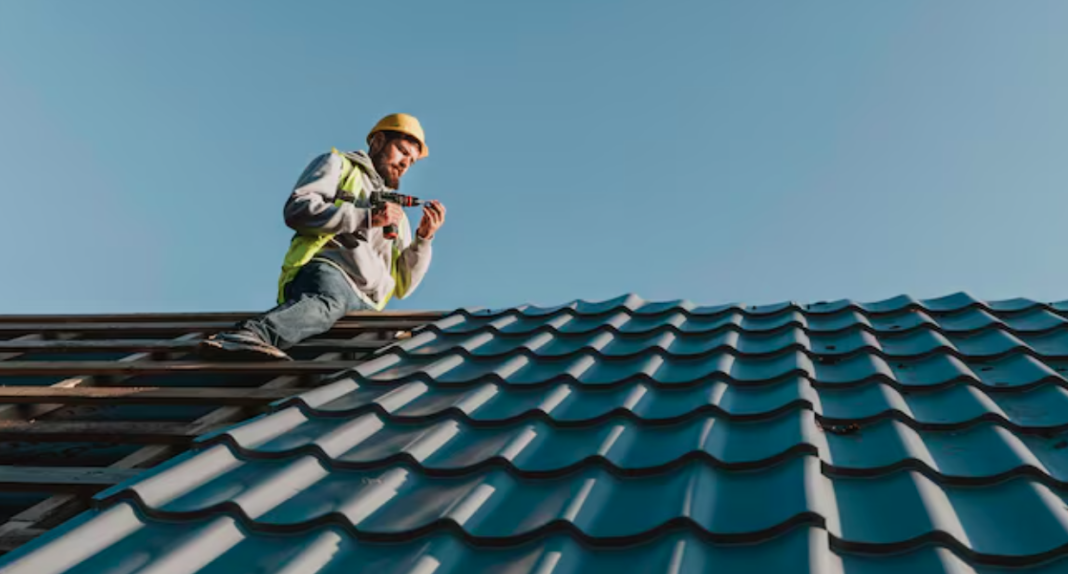

A well-maintained roof is the primary guardian of your home, shielding your interior spaces from harsh weather, moisture, and structural decay. Over time, environmental exposure can lead to wear, necessitating prompt attention to preserve the integrity of your property.
Understanding the fundamentals of roof maintenance and knowing when to call for professional assistance are critical skills for every homeowner.
By adopting a proactive approach to inspections and repairs, you can safeguard your investment, enhance your home’s energy efficiency, and ensure a secure living environment for your family for many years to come.
Diagnosing Issues Through Professional Roof Repairs
When signs of damage appear, such as leaking ceilings, missing shingles, or sagging areas, initiating professional roof repairs is essential to prevent secondary damage. Small issues, if ignored, can quickly escalate into extensive rot or mold growth within your attic and walls.
Expert contractors begin the restoration process by performing a comprehensive diagnostic assessment to identify the root cause of the problem, whether it is a punctured shingle, failing flashing, or poor ventilation.
By addressing these specific failures early, you prevent the ingress of water and maintain the overall health of your roofing system.
Utilizing Specialized Residential Roofing Services
Engaging certified residential roofing services provides the expertise needed for complex restoration tasks that go beyond simple patching. Professional contractors bring the necessary safety equipment, industrial-grade materials, and technical knowledge to perform repairs that meet current building codes.
These experts understand how different materials, from asphalt shingles to metal panels, interact with your home’s unique architecture.
By relying on professional services, you ensure that the repairs are executed with precision, restoring the structural strength of your roof and extending its functional lifespan significantly.
Mastering Routine Inspection Protocols
Consistency is the most effective tool in your maintenance arsenal. Establish a habit of inspecting your roof at least twice a year, as well as immediately following any severe weather event.
Use binoculars to check for signs of cracked, curled, or missing materials from the ground, or safely access the roof to examine the condition of flashing and seals.
Identifying early warning signs, such as granule loss or rusted metal joints, allows you to manage maintenance costs effectively and prevents the need for major, expensive restorations down the line.
Managing Debris and Moisture Control
Debris accumulation is a common contributor to premature roof failure. Leaves, twigs, and moss retain moisture, which can degrade your roof’s surface and lead to persistent dampness.
Regularly cleaning your roof and ensuring that your gutters are clear of blockages facilitates proper drainage, preventing water from pooling against your shingles or backup underneath the eaves.
A clean roof dries faster, stays cooler, and remains free from the persistent moisture that often leads to structural rotting and compromised safety.
Improving Ventilation for Structural Health
The health of your roof deck is heavily dependent on proper attic ventilation. Poor airflow leads to heat buildup in summer and moisture condensation in winter, both of which shorten the lifespan of roofing materials from the inside out.
Ensure that your soffit, gable, and ridge vents remain unobstructed. Proper thermal regulation prevents the deck from warping or buckling, keeping your shingles flat and secure, which ultimately reduces the frequency of necessary repairs and enhances the overall efficiency of your home.