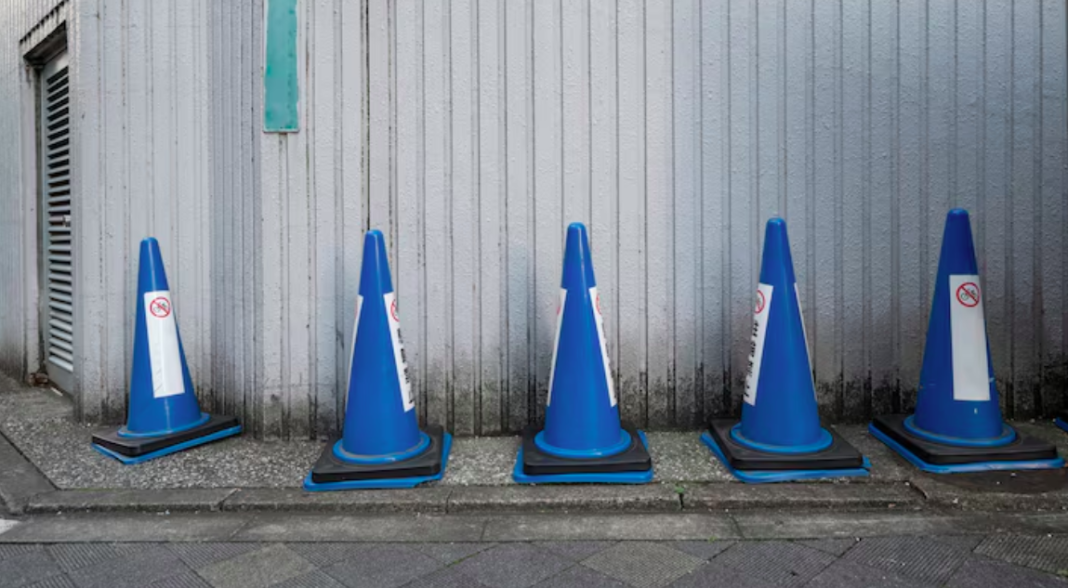
Ensuring safety in high-traffic areas, construction zones, and emergency scenes requires highly visible and durable equipment. Among the most recognizable tools for managing vehicle flow and protecting pedestrians are brightly colored markers.
Selecting the right equipment involves more than just picking a standard orange pillar; it requires an understanding of regulatory standards, environmental conditions, and specific site requirements.
When looking for traffic safety cones, project managers and safety officers must evaluate several critical technical specifications to ensure they provide maximum protection and long-term value.
1. Visibility and Reflective Requirements
The most vital characteristic of any safety marker is its visibility, especially during low-light or nighttime conditions. High-quality traffic safety cones must be manufactured with vibrant, UV-resistant pigments to prevent fading from sun exposure.
Furthermore, for use on highways or in high-speed zones, these units should be equipped with reflective collars or sleeves.
These reflective materials use retroreflective technology to bounce light back toward drivers, ensuring that the perimeter of a work zone is clearly defined from a significant distance, thereby reducing the risk of accidents.
2. Material Durability and Flexibility
Traffic markers are frequently subjected to harsh conditions, including extreme temperatures and accidental vehicle impacts. The best traffic safety cones are made from high-grade polyvinyl chloride or similar flexible polymers.
This material allows the unit to be struck or even run over by a vehicle and then pop back into its original shape without cracking or shattering.
A brittle material can create hazardous debris on the road, whereas a flexible, injection-molded design ensures longevity and continued functionality even after repeated physical stress.
3. Weight and Stability Features
Stability is a major concern in open environments where wind or the drafting of passing trucks can displace lightweight markers. When assessing traffic safety cones, it is important to look for models with a weighted base.
Some designs feature a recycled black rubber base that is permanently bonded to the orange body. This low center of gravity prevents the unit from tipping over or migrating into active lanes of travel.
Choosing a base that offers a high grip on asphalt or concrete further enhances the reliability of the safety perimeter.
4. Height and Size for Specific Applications
Size selection is not a matter of preference but of situational necessity. For low-speed residential areas or indoor parking facilities, smaller units may be sufficient to mark temporary hazards.
However, on major thoroughfares and interstates, taller models are required by law to ensure they are visible over the hoods of large vehicles.
Larger units also provide more surface area for reflective tapes. Selecting the appropriate height ensures that the warning is delivered in a timely manner, allowing drivers sufficient time to slow down or change lanes safely.
5. Compliance with Regulatory Standards
Before making a purchase, it is imperative to verify that the equipment meets local and national safety standards. These regulations dictate the specific shades of orange, the number of reflective bands required, and the minimum weight for various road types.
Using non-compliant traffic safety cones can lead to legal liabilities and increased safety risks. Reliable manufacturers will provide documentation confirming that their products meet or exceed the necessary crash-test ratings and visibility benchmarks established by transportation authorities.